I take it that someone is concerned that having a cast piston in their block is going to be problematic because their builds are going to go over 800 horsepower, have I got that right? For those of us who've been driving these cars for 26 years, and have supercharged them, I'd make the following observations to be as helpful as I possibly can.
First and foremost if you're keeping your horsepower under 750 horsepower, the cast are superior in every way. The number is, as I already stated 800, but I'm going to take it for granted it may be difficult for people with forced induction engines to, one get their tuning right and, two perhaps actually know what their resulting horsepower is.
First off the idea, as stated above, that hypereutectic pistons can be identified when you start the motor by smoke is incorrect. Those Pistons are much tighter than forged pistons. They required longer break in and higher RPM driving to get them seated. Once they were they produce less smoke not more. To the point that I would say if you were looking at a Viper that's got miles on the odometer and it's smoking it's most certainly more likely to be a forged piston.
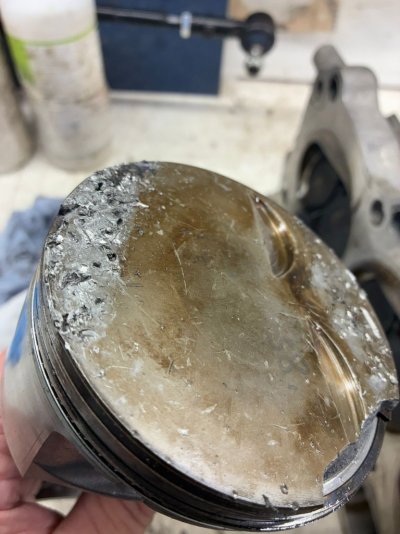
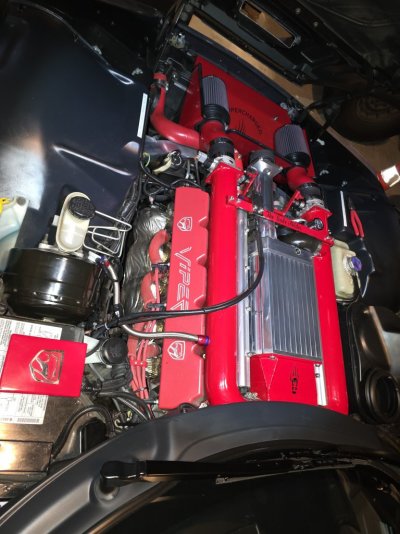
We used to read about hypereutectic (sometimes referred to as cast) pistons in the VCA threads all the time back in the day. These threads usually refer to concerns by Viper owners of those years as it relates to the limitations of cast pistons, especially in forced induction engines. The vast majority of Viper owners then we're driving around in stock cars and those cars were more powerful than most cars on the road . These were the initial days of supercharging and turbocharging Vipers and there were real concerns about a lot of components including pistons. But upon understanding them, I want to make one thing perfectly clear. If you're buying a Viper that has hypereutectic pistons in it from the factory and you're going to be running it stock or doing minor changes, that would include things like headers, smooth tubes, better head, supercharging or turbo all of which you anticipate producing less than 750-800 overall horsepower, you're fine, you're better than forged. If you're going to build over 750, maybe 800 horsepower you have got to change your Pistons. But in doing so, you can add forged pistons a relatively long list of things you're going to need to do.
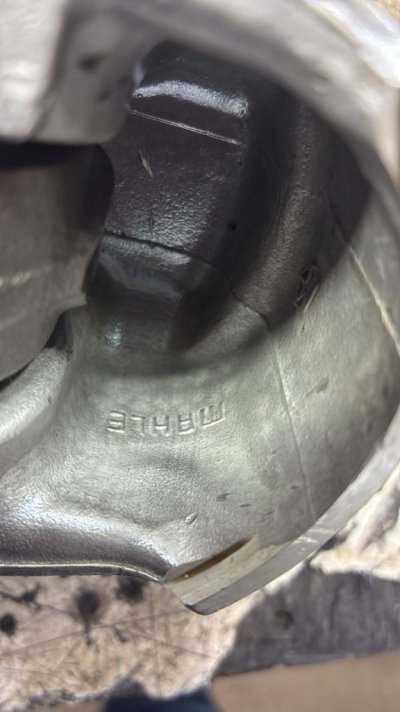
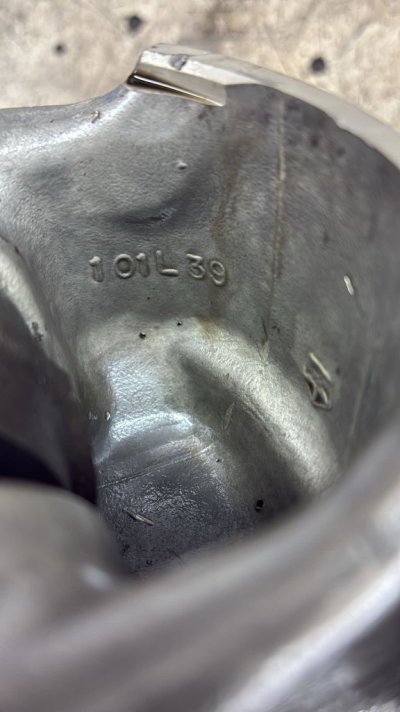
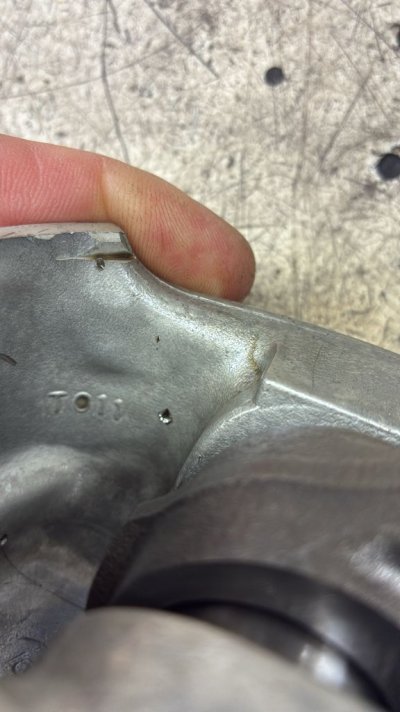
So what are hypereutectic pistons? Simply put they are cast pistons as opposed to being forged. Almost all pistons have aluminum in them. By being cast, hypereutectic pistons are able to have a much higher amount of silicon in the alloy. This silicon greatly increases the thermal stability and, as a result, these piston’s dimensional tolerances can be much tighter (most cast piston have a skirt clearance of approximately .0007 to .0009, forged about .005 to .007). Their expansion rates are much smaller. When cold, these pistons are much tighter than forged pistons (especially at the skirt and towards the top where the rings are), therefore they rock less, their rings seal better and they have less blow-by. End of the smoke myth #1. They are lighter and quieter as well. And all that silicon makes them harder (unlike higher aluminum content in forged pistons) so that they don’t “scuff up” the cylinder walls when cold and in a low oil start-up. End of the smoke myth #2. But, all that goodness comes at a price, and that price is brittleness. Hypereutectic are much more brittle than low silicon forged pistons. Like just about every other selection and choice one makes when building heavy horsepower motors, you got to use the right products for the right horsepower.